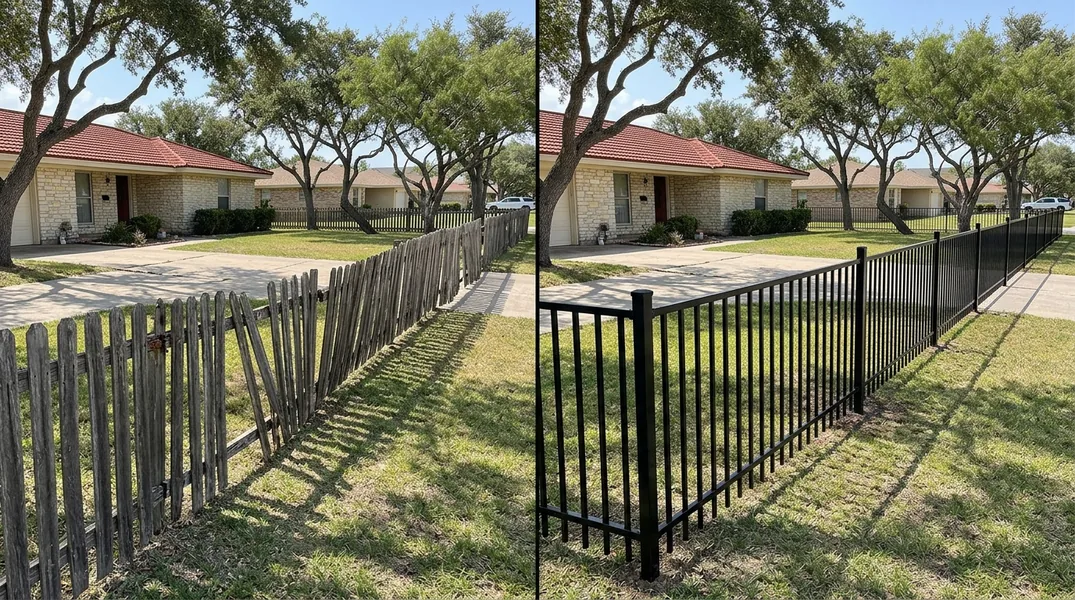
Understanding Your Fencing Options in Corpus Christi
Choosing the right fence material is one of the most important decisions you'll make for your Corpus Christi home. The coastal climate, salt air, intense sun, and occasional storms mean that not all fencing materials perform equally well in our region. Whether you're looking to enhance privacy, define your property line, or improve curb appeal, understanding the strengths and weaknesses of each material will help you make an informed choice that you won't regret in five or ten years.
The three most popular fencing materials available today are wood, vinyl, and aluminum. Each offers distinct advantages and comes with its own set of maintenance requirements and long-term costs. In this guide, we'll walk you through the characteristics of each option so you can determine which is best suited for your home and lifestyle.
Wood Fencing: Classic Appeal and Maintenance Reality
Wood & Privacy Fence Installation remains the most popular choice among homeowners in Corpus Christi because of its natural beauty, warmth, and customizable appearance. Wood fences offer a timeless aesthetic that complements virtually any architectural style, from traditional ranch homes to modern coastal properties. They also provide excellent privacy and sound dampening when properly installed.
However, wood fencing requires consistent maintenance to perform well in the coastal Texas environment. The combination of salt air, high humidity, and intense UV exposure can lead to wood rot, splintering, and discoloration. Homeowners typically need to stain or seal their wood fences every two to three years to protect against moisture and sun damage. If maintenance is neglected, you may find yourself dealing with issues like rotted fence post repair or fence post replacement sooner than expected. Despite the maintenance commitment, many homeowners feel the classic look and relatively lower initial cost justify the effort.
Vinyl and PVC Fencing: Low Maintenance with Higher Initial Cost
Vinyl & PVC Fence Installation has become increasingly popular in recent years, especially in coastal areas where weather resistance is paramount. Vinyl fences are made from polyvinyl chloride, a synthetic material that doesn't rot, splinter, or require painting or staining. They resist salt air corrosion exceptionally well, making them an excellent choice for properties near the coast or in areas with high humidity.
The primary advantage of vinyl is its minimal maintenance requirements. A simple annual rinse with a garden hose is typically all that's needed to keep your vinyl fence looking clean and fresh. Unlike wood, vinyl won't develop the structural issues that lead to leaning fence repair or fence post repair due to rot and decay. The downside is that vinyl fencing carries a higher upfront cost than wood, usually 20 to 40 percent more. Additionally, while vinyl is durable, it can become brittle in extreme cold (though this is rarely a concern in our region) and may fade slightly over time under intense UV exposure. Vinyl is also less customizable than wood if you're looking for unique designs or finishes.
Aluminum and Ornamental Iron: Durability Meets Elegance
Aluminum & Ornamental Iron Fencing offers a sophisticated alternative that combines durability with aesthetic appeal. Aluminum is naturally corrosion-resistant, which is particularly valuable in the salt-laden air of Corpus Christi. It's lightweight, making installation easier than wrought iron, yet it provides strength and security. Aluminum fences are available in various styles, from modern sleek designs to ornate decorative patterns.
The maintenance requirements for aluminum fall between wood and vinyl. While aluminum won't rot or require staining, it may occasionally need touch-ups if the protective coating becomes scratched. Ornamental iron fences, while beautiful, require more maintenance than aluminum and are more susceptible to rust if the finish is damaged. Both materials are excellent choices if you prioritize aesthetics and durability over privacy, as they typically offer less visual privacy than solid wood or vinyl options. The pricing for aluminum falls in the mid-range, making it a reasonable investment for homeowners seeking a balance between cost and longevity.
Climate Considerations for Coastal Texas Fencing
The coastal climate of Corpus Christi presents unique challenges that directly impact fence material selection. Salt spray from the Gulf of Mexico can accelerate corrosion and decay in materials that aren't specifically chosen or treated for coastal environments. High humidity levels promote mold and mildew growth on wood, while intense summer sun can cause fading and material degradation across all fence types. Additionally, the region occasionally experiences strong winds and tropical storms that put structural stress on fencing.
When evaluating materials for coastal properties, consider how each option handles these specific conditions. Wood requires premium-grade lumber and frequent sealing to resist salt damage. Vinyl excels in coastal environments because it's inherently resistant to salt corrosion and moisture. Aluminum is also an excellent choice for coastal areas due to its natural corrosion resistance. If you're uncertain which material is best suited for your specific property and local conditions, the experts at Corpus Christi Fencing can assess your situation and recommend the ideal option based on your location, budget, and lifestyle.
Cost Comparison and Long-Term Value
When comparing fencing materials, it's essential to look beyond the initial installation cost and consider the total cost of ownership over time. Wood typically has the lowest upfront cost, ranging from $8 to $15 per linear foot for materials and installation. However, the ongoing maintenance expenses (staining, sealing, repairs) can add up significantly over ten to fifteen years. Vinyl fencing costs more initially, usually $15 to $25 per linear foot, but the minimal maintenance means fewer expenses down the road. Aluminum and ornamental iron generally fall in the $12 to $20 range per linear foot, depending on the style and complexity of the design.
To get an accurate pricing estimate for your specific project, contact Corpus Christi Fencing for a free estimate. Our team will evaluate your property, discuss your preferences, and provide detailed quotes for each material option so you can make a decision based on real numbers rather than estimates. We serve the entire Corpus Christi area and can help you understand the long-term value proposition of each choice.
Choosing the Right Fence Material for Your Home
The best fence material for your home depends on your priorities, budget, and willingness to invest in maintenance. If you love the natural appearance of wood and don't mind regular upkeep, wood fencing delivers timeless beauty at a reasonable cost. If you prefer a maintenance-free option and live in a coastal area, vinyl is an excellent investment that will serve you well for decades. If you want a sophisticated, durable option that offers design flexibility, aluminum provides outstanding value and performance.
The team at Corpus Christi Fencing has years of experience installing all three materials and understands the unique demands of our local climate. We're ready to help you select the perfect fencing solution and ensure it's installed correctly from day one. Call us today at (361) 336-2101 or visit our website to schedule your free estimate and take the first step toward a beautiful, durable fence that enhances your property for years to come.
Looking for a professional tree service in Corpus Christi? Corpus Christi Fencing responds fast for all your fence needs.
Get a Free Quote