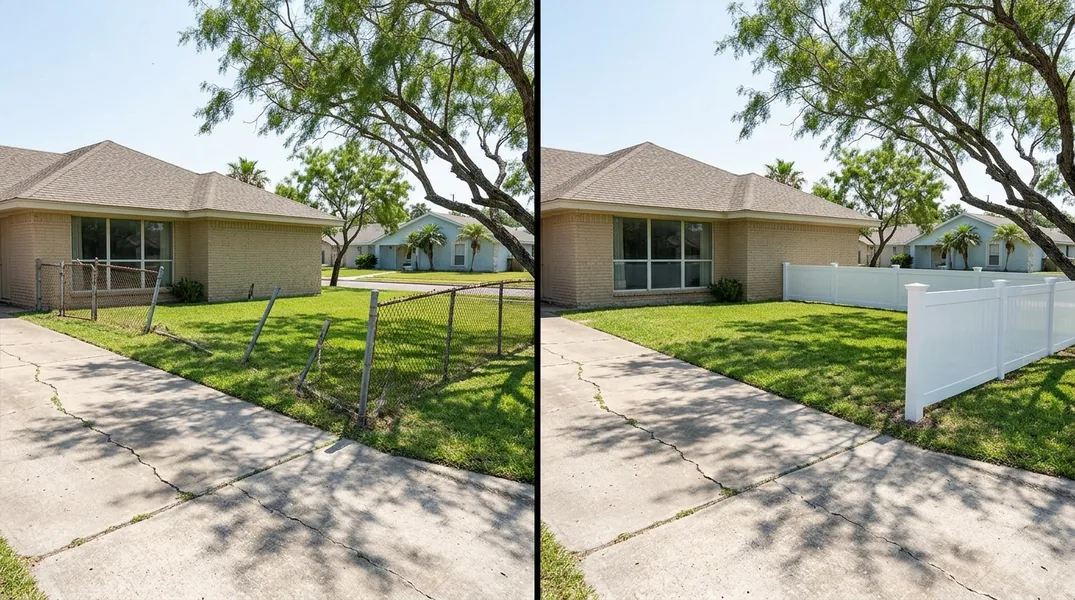
Understanding Neighbor Fence Laws and Property Lines in Rockport
When you're planning a fence project in Rockport or nearby areas, one of the first questions homeowners ask is: who actually owns the fence between two properties? The answer isn't always straightforward, and it varies depending on local ordinances and how your property deed is written. In Texas, there's no statewide law that automatically assigns fence ownership to one neighbor or the other. Instead, property line agreements and local regulations in Corpus Christi and surrounding communities determine responsibility.
A fence on property line situations typically require both neighbors to share ownership and maintenance costs, though this isn't universal. Some properties have fences that sit entirely on one person's land, making that homeowner solely responsible. Before you invest in any fence installation, it's crucial to have your property surveyed to determine exactly where your boundary lies. This simple step prevents disputes and clarifies financial obligations from the start. If you're unsure about your property lines or local fence ordinances, consulting with your county assessor's office or a surveyor is a smart investment.
Who Pays for the Fence Between Neighbors? A Texas Perspective
The question of who pays for fence between neighbors is one of the most common concerns we hear from homeowners in the area. In Texas, the general principle is that if a fence sits on the property line between two neighbors, both parties typically share the cost of installation and maintenance. However, if one neighbor wants a fence and the other doesn't, the initiating neighbor usually bears the full cost. This is known as the 'spite fence' rule in some jurisdictions, though Texas law is more nuanced.
If you're the one initiating a fence project, you'll likely be responsible for the expense unless you and your neighbor have agreed otherwise in writing. A good neighbor fence approach involves having an open conversation with your neighbor before construction begins. Many disputes arise simply because neighbors weren't informed or consulted. We recommend getting everything in writing, including who will pay for what and how maintenance responsibilities will be divided. If your neighbor wants to contribute to the cost, that agreement should be documented. This protects both of you legally and maintains the relationship. If you're considering Wood & Privacy Fence Installation and want guidance on these matters, our team at Corpus Christi Fencing can discuss your specific situation when you call us at (361) 336-2101.
Building Fences That Withstand Rockport's Coastal Weather Challenges
Rockport and Fulton face some of the harshest weather conditions on the Texas coast. Hurricanes, salt spray, intense humidity, and strong winds are regular challenges that can quickly deteriorate a poorly constructed fence. When you're investing in a fence in this region, material selection and installation quality are absolutely critical. Wood fences, while beautiful and traditional, require careful treatment and maintenance to survive the coastal environment. The salt air corrodes fasteners, promotes rot, and encourages mold growth. If you choose Wood & Privacy Fence Installation, ensure the wood is pressure-treated and rated for coastal conditions. Cedar and redwood offer natural resistance, but they still need regular sealing and maintenance to last.
For homeowners seeking maximum durability in Rockport's climate, Vinyl & PVC Fence Installation has become increasingly popular. Vinyl doesn't rot, won't be damaged by salt spray, and requires minimal maintenance beyond occasional cleaning. Aluminum and ornamental iron options also perform well in coastal environments when properly sealed and maintained. The upfront investment in weather-resistant materials pays dividends over the life of your fence. A fence that lasts 15 to 20 years instead of 5 to 7 years represents significant savings. When evaluating options, consider not just the initial pricing but the total cost of ownership, including maintenance and replacement cycles.
Good Neighbor Fence Practices: Communication and Agreements
The concept of a good neighbor fence extends beyond just the physical structure. It's about establishing clear communication and mutual understanding with the person living next door. Before breaking ground on any fence project, knock on your neighbor's door and explain your plans. Share details about the type of fence, materials, timeline, and costs. Ask for their input and concerns. Many fence disputes could be prevented with a simple conversation. If your neighbor has objections, listen carefully. Sometimes there are legitimate concerns about aesthetics, drainage, or property access that can be addressed through design adjustments.
Once you've discussed the project, consider putting your agreement in writing, even if it's just an informal email. Document who is paying for the fence, who is responsible for maintenance, and what will happen if the fence needs repair or replacement in the future. This written agreement becomes invaluable if circumstances change or if one of you sells the property. The new owner will have clear documentation of the arrangement. If disagreements arise that you can't resolve directly, mediation services are often available through local community organizations. Taking time to establish good neighbor relations now prevents expensive legal battles later. When you're ready to move forward with installation, the team at Corpus Christi Fencing can help you understand local requirements and best practices for your specific neighborhood.
Navigating Fence on Property Line: Surveys, Permits, and Local Codes
Before installing any fence, you need to know exactly where your property line is located. A professional survey costs several hundred dollars but is one of the best investments you can make. It eliminates guesswork and prevents you from accidentally building on your neighbor's property, which can result in costly removal and legal action. Once you have your survey in hand, you'll know whether your fence sits on the property line, entirely on your property, or in some other configuration. This information directly affects cost-sharing responsibilities and maintenance obligations.
Beyond property lines, you'll need to comply with local building codes and obtain any required permits. Most municipalities in the Corpus Christi area have specific regulations about fence height, setback requirements, materials, and design. Permits ensure that your fence meets safety standards and won't create hazards or obstruct sight lines at intersections. Some homeowners skip the permit process to save money, but this can lead to problems if you ever sell your home or if a neighbor files a complaint. The inspection process catches issues before they become expensive problems. Corpus Christi Fencing is familiar with local codes in Rockport, Fulton, and throughout the area, and we can help ensure your project meets all requirements. Contact us at (361) 336-2101 or request a free estimate so we can review your specific situation.
Choosing the Right Material for Durability and Maintenance in Coastal Texas
Your choice of fencing material dramatically impacts how well your fence will survive the coastal weather of Rockport and Fulton. Wood offers natural beauty and a classic aesthetic that many homeowners love, but it demands regular maintenance. You'll need to stain or seal your wood fence every few years to protect against salt spray, moisture, and UV damage. Pressure-treated lumber is more affordable than cedar or redwood but still requires ongoing care. If you're willing to commit to regular maintenance and enjoy the warm appearance of wood, Wood & Privacy Fence Installation can be a wonderful choice.
For those seeking lower maintenance options, vinyl and composite materials shine in coastal environments. They won't rot, splinter, or succumb to insect damage. Vinyl fencing is available in many colors and styles, including options that convincingly mimic the look of wood. Aluminum & Ornamental Iron Fencing provides an elegant appearance and excellent durability when properly finished. Chain link fencing, while utilitarian, offers affordability and requires minimal maintenance, making it popular for property boundaries and utility areas. The best material for your project depends on your aesthetic preferences, maintenance tolerance, and budget. Our team can discuss the pros and cons of each option during your consultation.
Looking for a professional tree service in Corpus Christi? Corpus Christi Fencing responds fast for all your fence needs.
Get a Free Quote